APPLY
The Effects of the Steam Engine on U.S. History
The steam engine was an important part of U.S. history, particularly during the Industrial Revolution in the 19th century. Here are a few ways in which the steam engine changed U.S. history:
Transportation: The steam engine changed transportation in the U.S. by making it faster. For example, the introduction of the steam-powered locomotive (train) in the 1830s allowed for the transportation of people and things over long distances in a matter of days, instead of weeks or months.
Industrialization: The steam engine was important to the Industrial Revolution in the U.S. The steam engine provided factories with the power to make things more efficiently. For example, factories made textiles (material or fabric) for the production of clothing.
Urbanization: The steam engine helped cities in the U.S. grow. Fewer people worked on family farms in the country; more people worked in factories and businesses in cities. As a result, the population of Chicago grew rapidly, from around 300,000 in 1870 to over 3.3 million by 1930. This growth was in large part because the city became a center of transportation and industry, which was made possible by the steam engine.
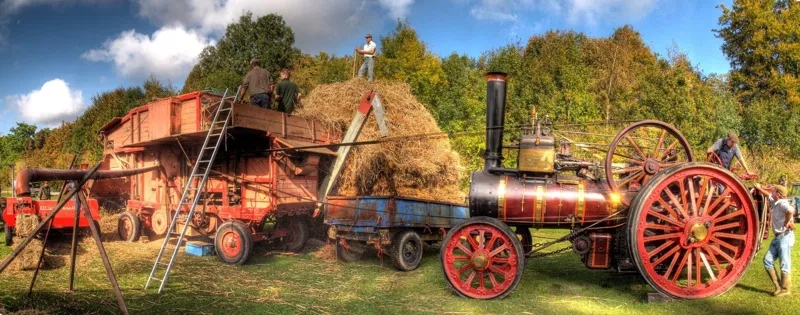
Agriculture: The steam engine changed farming, too. The steam-powered threshing machine allowed for the rapid separation of grain from the plant. This reduced the number of workers and increased productivity. This helped to feed a growing population. It also helped farming to grow throughout the country.
Overall, the steam engine played a key role in shaping U.S. history by transforming transportation, industry, urbanization, and agriculture, among other things.
WHAT IS THE ARTICLE ABOUT?
INSTRUCTIONS: Read the article below. Then complete the outline on the next page.
What is the article about?
Topic:
Answer
Steam Engine
Main idea:
Answer
The steam engine had a significant egect on U.S. history.
What supporting details help you to understand the main idea?
I. Transportation
II. Industrialization
III. Urbanization
IV. Agriculture
| 
Bình luận