Beyond Electricity: Steam Heat in New York City
[1] The steam heat system of New York City is a unique and historic way of heating buildings. It uses steam generated from a central location. The system began in the mid-1800s. The city has been using it ever since. Today, New York City is the largest user of steam heat in the world, with over 2,000 buildings connected to the system.
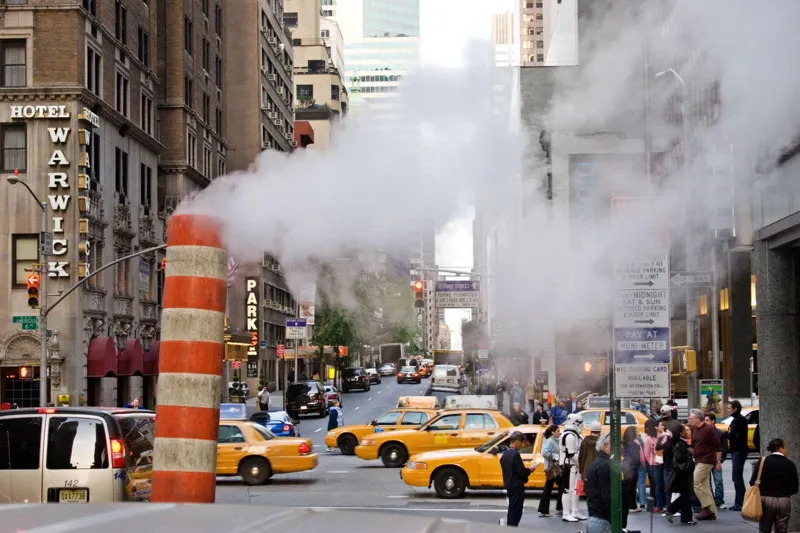
[2] One reason why the steam heat system is so popular in New York City is because it is a cost-effective and efficient way of heating buildings. The steam is generated from a central location and then distributed through a network of underground pipes to buildings throughout the city. This eliminates the need for individual boilers in each building. (Boilers can be expensive and require a lot of maintenance.) In fact, research has shown that connected buildings can save up to 30% on their energy bills.
[3] Another benefit of the steam heat system is that it is environmentally friendly. The steam is generated from a combination of natural gas and renewable resources, such as biomass and geothermal energy. This means that the system produces less pollution than traditional heating systems. That's important for the health of the planet.
[4] The steam heat system is also an important part of New York City's history and culture. Many of the buildings connected to the system are historic landmarks, such as the Empire State Building and the Chrysler Building. The system has been in use for almost 150 years. Its steam pipes are a familiar sight on the streets of New York City.
[5] However, the steam heat system also has some challenges. The pipes are underground and difficult to access. Therefore, maintenance and repairs can be expensive and take a lot of time. In addition, the system is not always reliable. Sometimes service is interrupted. For example, there have been steam pipe explosions in the past.
[6] Still, the steam heat system remains an important part of New York City. It provides a cost-effective1, efficient, and environmentally friendly way of heating buildings, and its steam pipes are a symbol of the city's unique character and history.
1 If something is cost-effective, it achieves good results for its cost..
The Empire State Building stands in the middle of New York City, where more than 2,000 buildings are
connected to a central steam system.


Bình luận