III. THE SIMPLE TENSE
2.0 The Simple Tense and Time
2.1 Using Time Words
2.2 When do We Use the Simple Tense?
Confused? Real-life examples of how to use the Simple Tense:
So far, we have been describing verb tenses with abstract ideas. We need something more real to help us understand the verb tenses. What kinds of actions or existence do we use the simple tense for? There are four main things that the simple tense is used for:
- Actions with No Time Limits/Unclear Time Limits: Descriptions of normal, on-going life.
- Repeating Actions.
- Permanent Actions or Situations: Descriptions of things that happen in 'Big Time'.
- Descriptions or Definitions of the Essence of things.
2.2.1 Actions with No Clear Time Limits: Descriptions/Essence
When you describe something, you are talking about its essence, the main long-lasting characteristics of it. It could include actions but it could also include descriptions of places, things and people using non-action verbs, such as 'BE'. Here, we talk about how it normally is over a long period of time. Descriptions could include things or actions that are part of our normal, on-going, day-to-day life on our planet.
Ví dụ:
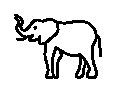
An elephant must be large, with big floppy ears, a long nose (a trunk), a short tail, and two long teeth called tusks. It makes a very loud trumpet-like sound and sometimes sprays water with its trunk.
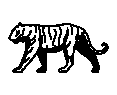
A lion and a tiger are similar, but a tiger is not a tiger if it doesn't have stripes.
However, zebras also have stripes, so a tiger must also be a type of big cat. Being a big cat with stripes is essential for being a tiger.
Someone's personality is something which is true for their whole life or for a large part of their life. It changes very little. So, we could define a sanguine person as someone who is almost always optimistic, positive, and friendly. They don't get upset easily.
The Simple Tense is used for general descriptions of: Situations, Events, Time Periods, Places, Things, People.
When we describe something using the simple tense, we are talking about kinds of actions that happen in general and not a specific action that is happening at a certain time. These actions can happen at any time and any place and may happen more than one time over a long period of time. This is NOT like the continuous tense, which focuses on one action or group of actions happening at a specific time.
Ví dụ: Past Example - Describe Small Villages in Japan
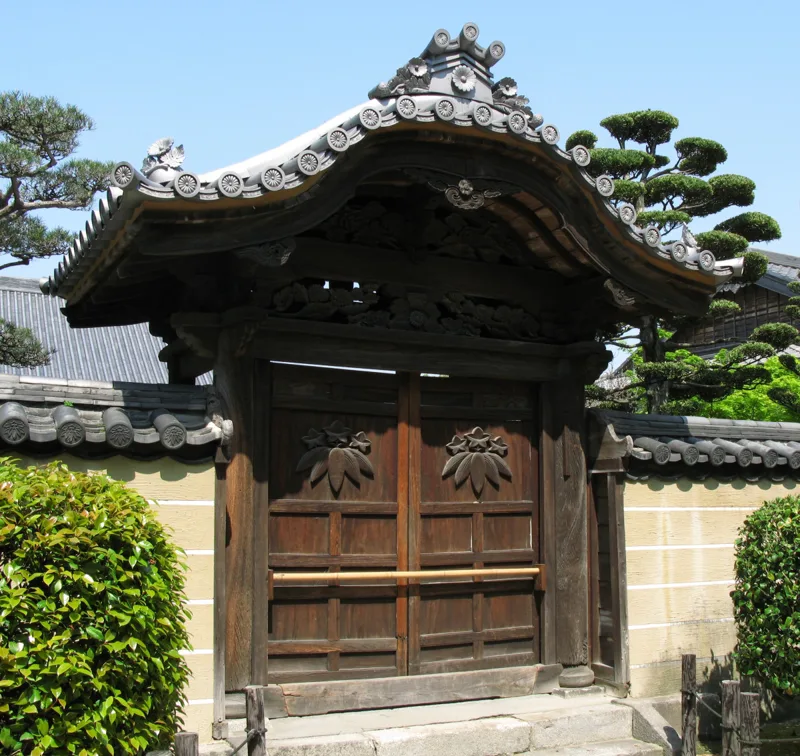
In the past, people in small villages in Japan often worked in small workshops, where they made things which required special skills. For example, some people made tatami mats to cover floors. Other people carved stone for statues that decorated Buddhist temples. Still other people produced specialized food such as tofu. Farmers grew crops such as rice, mikan oranges, or daikon (radish). Priests performed ceremonies, such as weddings and funerals. Often, a Daimo Lord protected the village. The Daimo ruler sometimes lived in a castle and had a small army of samurai soldiers. Sometimes, there were wars between different Daimo.
Ví dụ: Present Example - Describe Modern Companies
Technology businesses in the modern era are very competitive. Competition is no longer within a country, but often worldwide. Companies often search for workers in other countries. Successful technology companies need the workers with specialized education and with talent. These companies do many things to attract workers to their businesses. Sometimes they allow for flexible schedules, and some companies such as Google even provide places for their employees to relax. You might see employees play ping-pong or video games, or they eat lunch while they work.
Ví dụ: Future Example - Describe Life in the Future
It seems like the future is coming very fast. Soon, almost everyone will drive electric cars. They will travel across the whole country in a few hours in a special train that travels inside of a tube. You might even book a vacation in a space hotel. If you are an architect, a technology engineer, or even a musician, artificial intelligence will take your ideas and design something for you. Everyone's job will be easier. People will work fewer hours and they will have more time to spend on hobbies and travel.
2.2.2 Repeating Actions and Habits
The simple tense is used to talk about repeated actions and habits. Unlike describing situations which include many actions or actions in general, some of which could happen many times, repeated actions focus on a specific action (one action) that happens again and again. The same action is repeated many times.
The repeated action could be on a schedule- it happens at a certain time, yet we don't really know when this habit or repeated action started to happen or when it might end. So, this action in general still cannot be measured. For example, I drink coffee every morning. A repeated action might also happen randomly. It repeats many times, but it can happen at any time. For example, people sometimes travel to this small village.
Ví dụ: Past Example - The Habits of Bach, the Classical Music Composer
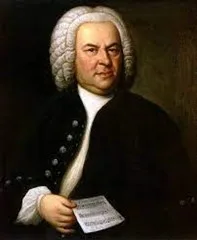
Bach is one of the most famous composers of classical and religious music. Bach was a very busy person. As a child, he practised music every day, and as an adult he played the organ in a church every week. During the week, he gave music lessons, and he practised music with the choir several times each week. He produced special musical pieces for religious holidays, such as Christmas, which happened every year. He changed jobs several times in his life. He worked for several churches, but he also created music for private societies later in life. During this time period, he gave weekly performances at a coffee house which was called Café Zimmerman. During his life, he got married several times because life in those days was difficult, and several of his wives died during Bach's life.
Ví dụ: Present Example - Chen's Personal Habits
Chen is a very health and organized person. He gets up at 6:00 AM every morning. First, he runs five miles, and he doesn't smoke or eat unhealthy food. Then, he takes a shower and makes a breakfast of rice, fish and tea. He goes to school on Mondays, Wednesdays and Thursdays, and studies in the library on the other days. Because he is a university student in Germany, he talks to his mother, father, and sister every Sunday by video. He plays tennis with his girlfriend once a week unless he has an important exam that week.
Ví dụ: Future Example - Technology will Keep Your Life on a Schedule
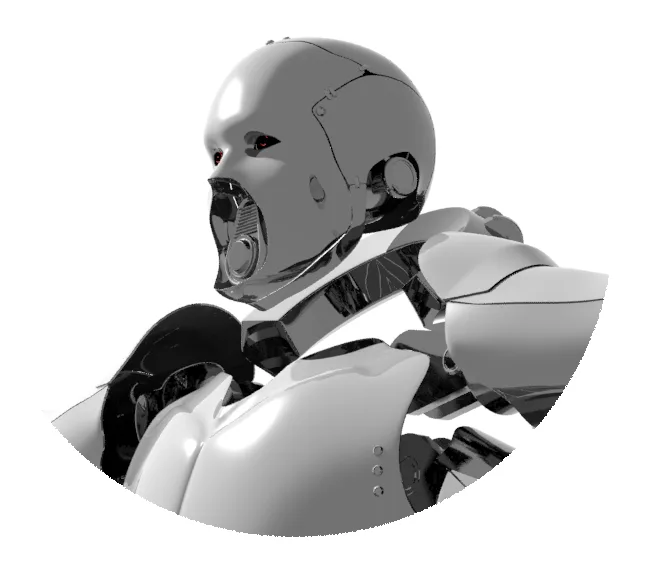
In the future, your life might be organized by a computer and supervised by a robot. Every morning, a robot will wake you up and make breakfast for you. Then, you will check your schedule for the day on your computer. However, unlike the simple schedules of today, Artificial intelligence will adjust your schedule according to your mood and energy levels. A digital health monitor will check this regularly and send the information to your computer. Then, five minutes before it's time to leave for work, a self-driving taxi will pick you up at your apartment. Sometimes, if your robot is not too busy, it will even clean your room for you. Maybe a robot will even give presentations for you.
2.2.3 Facts, Universal Laws and Principles: Things and Ideas or Concepts that are True Forever/Permanent
A fact is something that is always true. It doesn't change, and it is permanent/forever. A historic fact is something that happened in the past; however, although the action happened in the past and might have happened at a specific time in the past, when we use the simple tense, we are not focusing on the action. Instead, we are focusing on the action as a fact. Facts are forever. Laws and principles are ideas or concepts that are always true. They are permanent/forever. Definitions describe the essence of something. The essence of something is what is always true or almost always true of something.
Ví dụ:
Water freezes at 0° Celcius/32° Fahrenheit.
The Eiffel tower was built in 1887. (this is a passive verb)
Turtles have hard shells.
The law of supply and demand means that things get expensive when there is little supply or great demand.
E = MC² - Energy equals mass times 'C' (speed of light) squared.
Ví dụ: Past Examples of Facts:
It is important to realize that actions in the simple past no longer happen anymore. However, a fact is a record that cannot be erased—it is true forever. For example: It is a fact that, in the past, it was common for people to ride in carriages pulled by horses in New York. But that is mostly not true today (except for rides for tourists). Now, most people drive in cars or take the bus or subway. However the fact remains forever.
If the simple past is used, it implies that the action no longer happens.
Sometimes, to emphasize that something is no longer true, we use the phrase 'used to'. For example, "John used to smoke" means that he quit smoking. He doesn't smoke now. Although used to is used for the past, it is followed by the base form of the verb (verb in its simple form—present tense with no suffix); for example, I used to play guitar in a band.
If the simple future is used, the action has not happened yet. It will happen in the future, or is likely to happen in the future, but it has not happened yet or is not true yet.
Example: I will graduate next year.
Ví dụ: Past Example - Early Life in North America
In the early days of life in North America, people rode horses and did a lot of work with their hands. People often had large families, and mothers often spent most of their time taking care of their children. They used to bake bread almost every day. They washed clothes by hand. First, they pumped water from a well and filled a big tub with water. Then, they scrubbed the clothes with a wash board. It had a wavy glass face that people would rub the clothes on. Classrooms were large, with all of the grades in one big class. Children used to practice math equations on very small personal-sized chalkboards.
Ví dụ: Present Example - Definition of Someone with a Narcissistic Personality Disorder
A person with a narcissistic personality disorder is a person who only thinks about themselves and their own interests. Everyone thinks about themselves sometimes, but it is a disorder when it interferes with normal relations with other people. It is also persistent – it is something that is a long-lasting pattern of behaviour. People with a narcissistic personality disorder are often very charming. They say nice things about other people, but they only do it to get something from the other person. Their relationships are always transactional. This means that they only do something for other people if they get something in return. Their behaviour is as predictable as the fact that water turns into ice at 0° Celcius.
Ví dụ: Future Example - The Effects of Climate Change in the Future

Climate change is real, and our future world will be very different because of it. Our world is already different because of it, but it will become worse in the future if we don't do anything about it. However, we shouldn't let that stop us from doing things now. People will become more serious about it in the next few years. They will use transit more and will probably not drive cars very much. Scientists will invent devices that will have no carbon emissions.
2.2.4 Non-Action Verbs and Definitions
Some verbs are non-action. They include the verb 'BE', which can also be used to describe something. However, there are other non-action verbs sometimes called stative verbs. They basically fit into five groups: emotion, possession, mental states, perception and some less common ones—'others'. Explanation of and additional non-action verbs can be found in appendix B.
Some verbs have both active and non-active forms.
Ví dụ:
'Remember' can be active: I remembered to lock my door.
Or it can be non-action: I remember my grandmother's voice. (means recognize)
'Weigh' can be active: I am weighing this bag of rice.
Or, it can be non-action: This bag of rice weighs 5 kilos (or pounds).
Non-action verbs are not actions, so their time of action cannot be measured- there is no time that they happen.
Non-action verbs also include linking verbs, verbs used when describing the subject of a sentence with a noun, adjective or adverb form.
Mary is a doctor. (noun) Mary is intelligent. (adjective) Mary is here, at the hospital. (adverb and preposition used in an adverb form)
Ví dụ: Past Example:
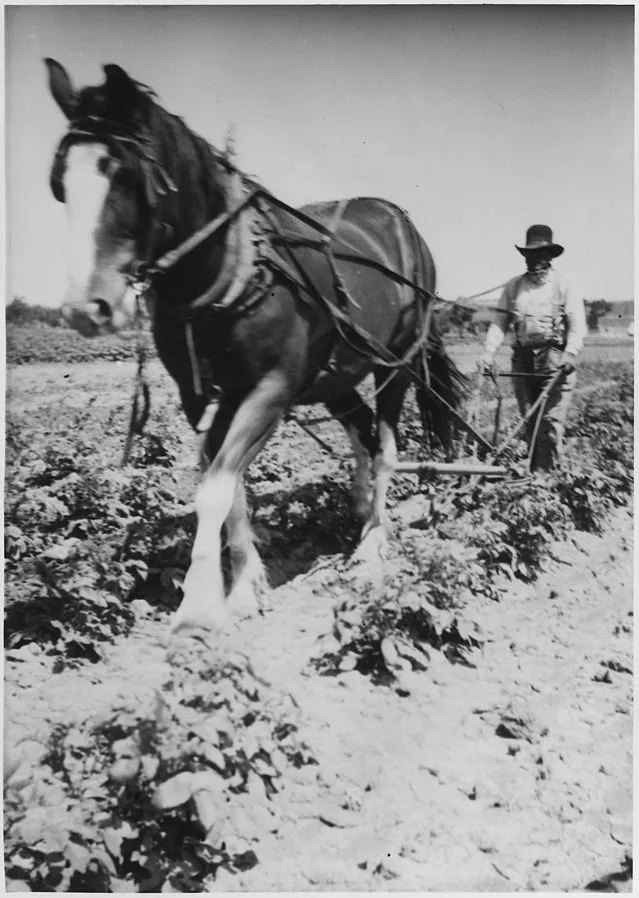
In the past, people often wished different things for a spouse. They often wanted a spouse for very practical reasons. For example, in rural areas, they often wished to find a spouse who was physically strong so that they could do physical labour. They preferred someone who was healthy over someone who was beautiful. They did not pick a spouse because they wanted to enjoy going on long romantic walks.
Ví dụ: Present Example:
The definition of the family has changed greatly in the past few decades, at least in North America. In the past, it was an extended family, which included anyone who was a distant blood relative- someone related to you genetically. It could include uncles, aunts, grandparents, cousins and even older adults who acted like aunts and uncles to you, even disciplining you. But now, it usually only consists of the nuclear family: the father, the mother and the children of the couple. But many people have an even newer definition of family. It consists of any group of people who know each other, love each other and associate in close relations with each other. These people believe that how you associate with each other and live together is more of what a family is than some genetic link.
Ví dụ: Future Example:
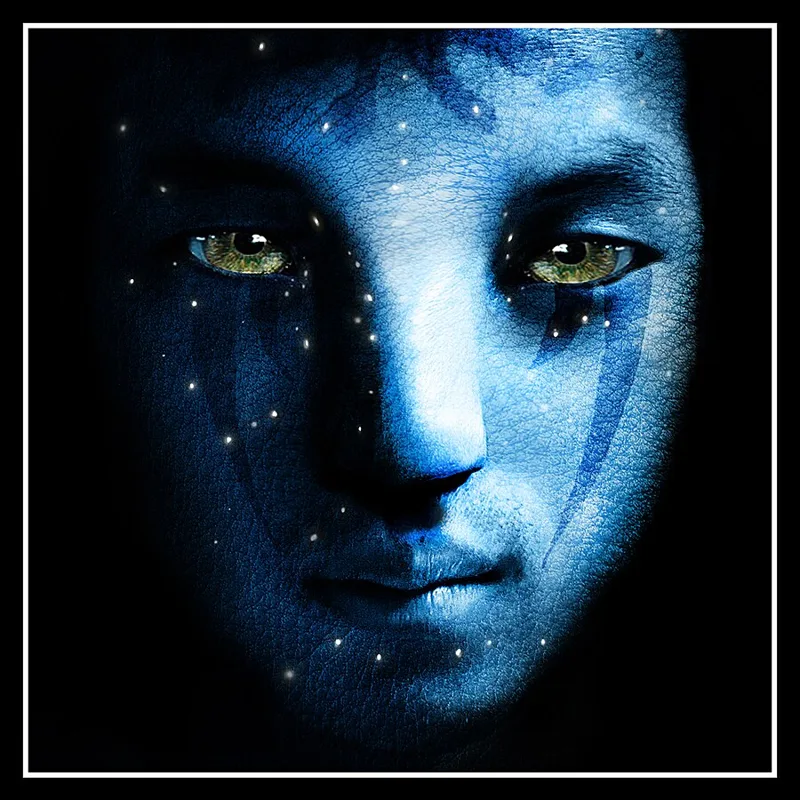
To understand the future of the family, you will have to see the future context of the future family. What will life in a family be like? Will it be a virtual family, which will include realistic robots who will use AI to develop a close relationship with their owners? Will we depend on our computers to cheer us up when we are feeling sad or lonely? Will our family live together in the future? Maybe we will have avatars of our family that are so realistic that we will believe that they are actually there with us in our homes. Then, families might agree to live anywhere in the world that they have opportunities to work but stay connected to their families virtually.
Exercise: Types of Usage of the Simple Tense
Xác định loại sử dụng của thì hiện tại đơn trong mỗi câu. Nhập ký hiệu vào ô trống: d (description of normal on-going life), r (repeated actions and habits), p (permanent actions and situations), n/a (non-active verbs).
Nếu có nhiều đáp án, nhập cách nhau bằng dấu | (ví dụ: d|p).
1. 21 million people live in the city of Mumbai, India.
Đáp án:
2. The train leaves at 8:00 a.m.
Đáp án:
3. I usually read the newspaper before work.
Đáp án:
4. Successful work habits consist of efforts, attitudes and people skills.
Đáp án:
5. Eating sugar has serious effects on your health.
Đáp án:
6. University life includes hard work, new friends, and interesting studies.
Đáp án:
7. The 3-day Thai water festival includes things such as water fights, music, dancing, eating and drinking.
Đáp án:
8. Makena is a person who likes to have everything organized. She makes and follows schedules closely and checks the time constantly.
Đáp án:
9. The annual Throne Speech is given every year for the first new session or meeting of a government.
Đáp án:
10. This is a beautiful area. It is surrounded by mountains, has a beautiful and fast-flowing river, and is covered with tall pine trees. Many eagles also live here.
Đáp án:
11. Winter in the Northwest is unpredictable. Sometimes, the weather is mild and warm, but other times it is cold and snows a lot—sometimes up to 5 feet of snow. But one thing is sure—there will always be a lot of rain.
Đáp án:
12. Good government consists of trustworthy leaders, fair laws, and concern for the citizens of the country.
Đáp án:
13. Quantum mechanics operates in ways that we don't understand, and which are not always completely predictable.
Đáp án:
| 
Bình luận