A. Things to see
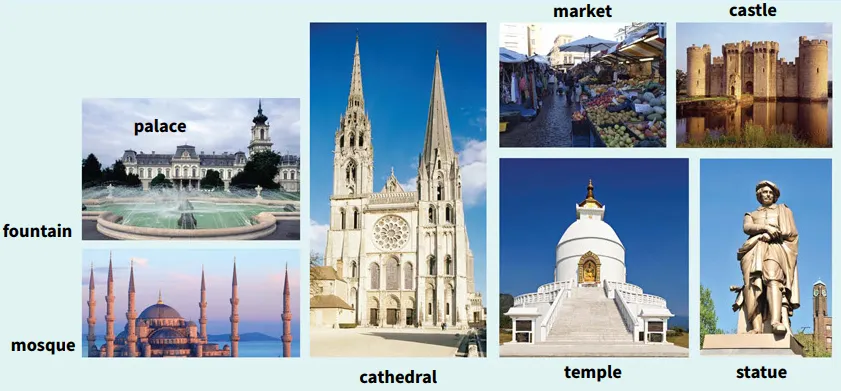
B. Tourist activities
C. Describing places
The word place can describe a building, an area, a town, or country, e.g. Bruges is a lovely
place [town] and we found a really nice place [hotel] to stay.
The guidebooks [books with information about places] say the Alhambra in Granada is magnificent
[very good or very beautiful], but it’s always packed [very crowded] with tourists in the summer.
São Paulo is a lively place [full of life and activity], and there’s plenty [a lot] to do in the evening.
St Petersburg has lots of historic monuments [important places built a long time ago] but the
Hermitage Museum was the main attraction for me. [something that makes people come to a
place or want to do a particular thing]
If you go to Poland, it’s definitely worth visiting Kraków.
Language help
We use worth + noun/-ing to say that it is a good idea to do something or go somewhere.
It’s worth hiring a car if you go to Scotland. Glasgow is worth a visit as well.
|

Bình luận