LET'S READ ABOUT PETS
Homework: Younger or Older Pet?
Bài tập về nhà: Thú cưng nhỏ tuổi hay lớn tuổi?
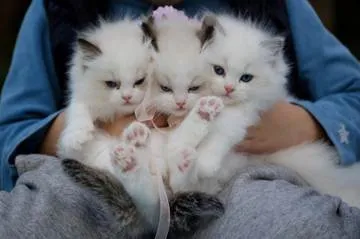
[1] You want a pet. You learn about different animals and how to take care of them. You decide which animal is best for you, your family, and your home. But when you visit the animal shelter, you have to make one more choice. Do you choose a younger animal? Or do you choose an older animal?
[2] The needs of an animal change during its life. Some new pet owners want to buy or adopt younger pets, such as puppies and kittens. They do not understand that baby animals can be difficult. They can take more time. They can also be very expensive. Then what happens? Those people become tired of taking care of the animals. Or they don't think the animals are cute after they grow older. Sometimes the people return the animals to the shelter.
[3] So when you are thinking of adopting or buying a pet, it is important to ask yourself this question. Is a younger animal or an older animal better for you?
[4] Younger pets: Younger pets need lots of attention and training. For dogs and cats, they need to be "house trained." That means that you need to teach them where to go to the bathroom. Smaller baby animals like mice and birds always need attention and feeding. Some younger pets can also damage your home. Baby animals often bite, chew or scratch furniture, or go to the bathroom in the wrong place. You'll also need to make sure your pets and children learn to play safely together since both baby humans and baby animals can get hurt.
[5] Older pets: Sometimes it is difficult for adult pets to trust their new owners. However, adult pets usually keep the same personality. In other words, if they are friendly at the shelter, then they will probably be friendly at home. In fact, adult pets may not need any training. They may already know how to play safely with children. Older pets will not live as long as younger pets, so they are not as popular. However, older pets need homes, too. So if you adopt an older pet, then you are giving that animal a second chance at life.
Transform: Choosing a Pet
Chuyển đổi: Chọn thú cưng
Work with a partner. Use the article on page 18 to complete the two lists below. Follow the example. Add your own information. Answers may vary.
Làm việc với bạn cùng lớp. Sử dụng bài viết ở trang 18 để hoàn thành hai danh sách dưới đây. Làm theo ví dụ. Thêm thông tin của bạn. Câu trả lời có thể khác nhau.
What is the general topic of these two lists? Write that on the line above.
Chủ đề tổng quát của hai danh sách này là gì? Viết chủ đề trên dòng phía trên.
Sample Topic: Choosing a Pet
Discuss / Thảo luận
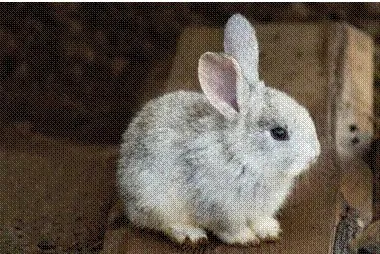
Work with a partner or in small groups. Visit the Oregon Humane Society's web page. Look at the animals that you can adopt. Choose one that interests you and show it to your classmates. Then answer these questions:
Làm việc với bạn cùng lớp hoặc nhóm nhỏ. Truy cập trang web của Oregon Humane Society. Nhìn vào những con vật bạn có thể nhận nuôi. Chọn một con mà bạn quan tâm và cho bạn cùng lớp xem. Sau đó trả lời các câu hỏi sau:
- Which animal did you pick?
- Why did you choose that animal?
- What question(s) would you ask the shelter about this animal before you took it home?
- Do you have any pets at home now? What are they? What are their names? Describe them.
Sample Answers / Câu trả lời gợi ý
✔ I picked a 2-year-old golden retriever named Max.
✔ I chose that animal because golden retrievers are friendly and good with families.
✔ I would ask: Is Max good with children? Does he have any health problems? Is he house-trained?
✔ Yes, I have a cat at home named Whiskers. She is a calico cat, very independent and loves to sleep in the sun.
| 
Bình luận