Brand Engagement Gone Wrong
Take a walk down the street and count the number of advertisements you see. With so
many brands and companies competing for your attention, advertisers have to work harder
than· ever One popular method of engaging consumers is by holding competitions where
consumers come up with their own commercials or slogans. These have proven to be
successful, and do increase the number of people who come into contact with the brand.
But allowing strangers to be active in a brand's identity can lead to great· problems. Here are
two cases of advertising gone wrong
Not a Model Spokesperson
 When fashion brand American Apparel introduced its new range of plus-sized1 clothing, the company held a contest to find new models. In the contest, women could submit photos of themselves that showed off how nice the company's clothes look on larger women. But when the company advertised that it was looking for "the next BIG thing," some women were offended because they thought the company was being disrespectful to women. An American actress called Nancy Upton decided to enter the contest to show the world how insensitive she thought American Apparel was.
Nancy took photos of herself in poses that made fun of the contest. She wore American Apparel clothes and copied the style of their ads, but also ate fattening food, like burgers, in the photos. The photos became an Internet hit and she won the popular vote. While American Apparel did not recognize Nancy as the winner, her photos started a big discussion about how bigger women were treated in fashion, and Nancy became a hero to many.
Crashing the Commercial
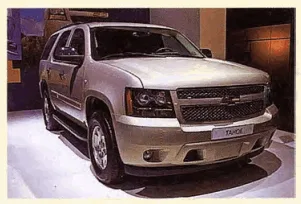 Car manufacturer Chevrolet thought they had a good idea: organize a contest where people could create their own commercials for Chevrolet's newest and biggest vehicle, the Tahoe. The company supplied video and sound clips, and people could use computers to mix them and add their own text. The contest accomplished its goal of promoting the Tahoe, as more than 30,000 videos were made.
While many entries focused on the best features of the truck, a few were less flattering; they pointed out that the Tahoe was bad for the environment and that owning a big vehicle can sometimes lead to unsafe driving. Unfortunately, the negative videos spread fast, and Chevy got as much bad publicity as it did good publicity.
1 Clothing for women in sizes larger than extra-large is said to be plus-size.
consumer /ˈkʌnˈsʌmər/ n.
- someone who uses a product (người tiêu dùng)
- Businesses use Facebook to find new consumers. (Các doanh nghiệp sử dụng Facebook để tìm kiếm người tiêu dùng mới.)
flatter /ˈflætər/ v.
- to say something to make a product or person look or feel good (tâng bốc, nịnh nọt)
- The boy flattered the girl he liked by saying her dress was pretty. (Cậu bé đã tâng bốc cô gái mình thích bằng cách nói chiếc váy của cô ấy đẹp.)
insensitive /ɪnˈsensətɪv/ adj.
- not noticing or caring about another person's feelings (vô cảm, thiếu tinh tế)
- How can you be so insensitive? (Làm sao bạn có thể vô cảm như vậy?)
make fun of /meɪk fʌn əv/ exp.
- to say something that hurts or upsets someone (chế giễu, trêu chọc)
- It was mean to make fun of my sister's height. (Thật là ác ý khi chế giễu chiều cao của em gái tôi.)
publicity /pʌˈblɪsəti/ n.
- news to make a product or event popular (sự công khai, quảng bá)
- With good publicity, a product can go from unknown to popular. (Với sự quảng bá tốt, một sản phẩm có thể từ không được biết đến trở nên phổ biến.)
slogan /ˈsləʊɡən/ n.
- a saying or phrase that expresses a group's or a company's main message (khẩu hiệu)
- "Just do it" is a very well-known slogan. ("Just do it" là một khẩu hiệu rất nổi tiếng.)
submit /səbˈmɪt/ v.
- to give to somebody for their approval (nộp, đệ trình)
- The application should be submitted before August 5th. (Đơn đăng ký nên được nộp trước ngày 5 tháng 8.)
supply /səˈplaɪ/ v.
- to provide something that is wanted or needed (cung cấp)
- The race's organizers supplied water for the runners. (Các nhà tổ chức cuộc đua đã cung cấp nước cho các vận động viên.)

Bình luận